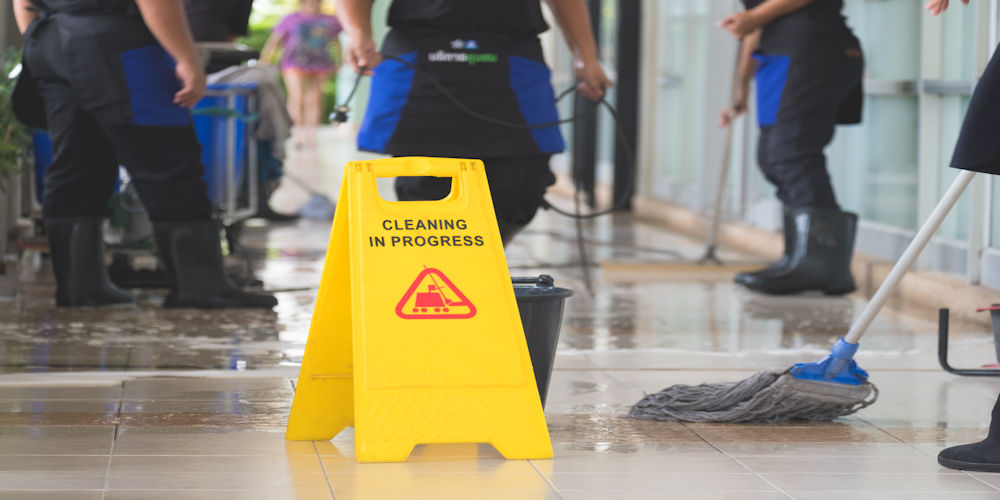
Keeping Your Commercial Washrooms Clean
A clean commercial washroom is about much more than making a good first impression. It says something about your business, your standards and how much you care about the people who use your facilities.
Whether you run an office, restaurant, shop, school or healthcare facility, your washrooms are often one of the first places people notice when standards start to slip. A clean, fresh and well-maintained washroom creates confidence. A dirty or poorly stocked one can quickly do the opposite.
Why Commercial Washroom Hygiene Matters
Customers, visitors and employees notice the condition of your washrooms. Dirty floors, unpleasant smells, empty soap dispensers or limescale-covered taps can leave people wondering what other areas of your business are being overlooked.
For employees, clean facilities are also part of creating a comfortable and respectful workplace. People are naturally more comfortable when they know they have access to hygienic, well-maintained toilets and handwashing facilities.
There is also a much more practical reason to take washroom hygiene seriously: cleanliness plays an important role in reducing the spread of germs. Regular cleaning and proper hand hygiene can help create a healthier environment for everyone using your premises.
In a time when people are more aware than ever of infection control, maintaining high standards is not something businesses can afford to overlook.
The Hidden Cost of Poor Washroom Hygiene
Poor washroom hygiene can cost a business more than it might initially appear.
For customers, an unpleasant washroom experience can influence how they view the entire business. In sectors such as hospitality, retail and leisure, this can have a direct impact on customer loyalty. People may leave sooner, spend less or simply decide not to come back.
There is also the potential impact on employees. Poorly maintained facilities can contribute to the spread of germs, increasing the likelihood of staff sickness and absenteeism. Even common illnesses can affect productivity when several members of a team are away at the same time.
Then there is your reputation to consider. Today, a poor customer experience can quickly become a negative online review or social media post. A photograph of an unclean toilet can say a lot about a business in a matter of seconds.
Trying to save money by cutting back on cleaning can therefore become a false economy. The cost of lost customers, staff absence, reputational damage and potential compliance issues can be considerably greater than the cost of maintaining good hygiene standards in the first place.
UK Washroom Hygiene Standards and Regulations
Businesses in the UK have responsibilities when it comes to providing suitable toilet and washing facilities.
The Workplace (Health, Safety and Welfare) Regulations set out requirements around workplace facilities, including cleanliness, ventilation, lighting and maintenance. Employers also have a duty to provide suitable washing facilities and ensure they are kept in good condition.
In practical terms, this means washrooms should be clean, accessible and properly maintained. Users should have access to suitable handwashing facilities, soap and a reliable way to dry their hands.
Some industries have additional requirements. Food businesses, healthcare organisations and other specialist environments may need to follow more specific hygiene standards.
Regular inspections, clear cleaning procedures and proper records can all help businesses demonstrate that they are taking their responsibilities seriously.
Creating a Practical Washroom Cleaning Routine
One of the easiest ways to maintain consistent standards is to have a clear cleaning schedule.
Rather than leaving cleaning to chance, establish daily, weekly and monthly tasks. This makes it easier for cleaning teams to know what is expected and helps prevent important jobs from being missed.
Daily cleaning should generally include:
- Cleaning and disinfecting toilets, urinals, sinks and taps
- Wiping high-touch areas such as door handles and flush buttons
- Cleaning floors
- Emptying bins
- Restocking toilet paper, soap and hand-drying supplies
- Checking for leaks, damage or other maintenance issues
- Checking for unpleasant odours
In busy premises, these checks may need to happen several times throughout the day.
Weekly and monthly cleaning can then focus on more detailed work, including descaling toilets and taps, cleaning grout, reaching behind fixtures and dealing with areas where dirt and residue can build up.
A regular deep-cleaning programme is particularly important for keeping washrooms fresh and preventing small maintenance problems from becoming bigger ones.
Choosing the Right Cleaning Products and Equipment
The products and equipment used can make a noticeable difference to the quality of your washroom cleaning.
Commercial cleaning products are designed to deal with some of the specific problems found in washrooms, including limescale, soap residue, body fats and high levels of bacteria.
However, stronger does not always mean better. Cleaning products should be suitable for the surface being cleaned and used according to the manufacturer’s instructions. Using the wrong product can damage fixtures, flooring or other surfaces over time.
Colour-coded cleaning equipment can also help reduce the risk of cross-contamination. Using separate cloths and equipment for toilets and other areas makes it easier for cleaning teams to follow safe procedures.
In areas with hard water, for example, a suitable limescale remover can be particularly useful for keeping taps, toilets and other fixtures looking clean and working properly.
Designing Washrooms That Are Easier to Keep Clean
Good washroom design can make cleaning much easier.
Smooth, non-porous surfaces with fewer joints and awkward gaps give dirt and bacteria fewer places to collect. Simple layouts also make it easier for cleaning staff to reach floors, corners and fixtures properly.
Touchless technology can help too. Sensor-operated taps, soap dispensers and flush systems reduce the number of surfaces people need to touch, helping to keep fixtures cleaner throughout the day.
Ventilation is another important consideration. Good airflow helps manage moisture and unpleasant smells, creating a fresher environment while also helping to prevent problems associated with excessive dampness.
When planning or refurbishing a commercial washroom, it is worth thinking about cleaning and maintenance from the beginning. A washroom that is easy to clean will generally stay cleaner for longer.
Don’t Overlook Hand Hygiene and Washroom Supplies
Even the best cleaning routine cannot replace good hand hygiene.
Providing easy access to soap and reliable hand-drying facilities encourages people to wash their hands properly. Hand sanitiser can also be useful in appropriate areas, particularly where additional hygiene measures are required.
The everyday supplies in your washrooms matter more than you might think. Toilet tissue, hand soap and paper towels or working hand dryers all contribute to the overall user experience.
Empty dispensers and overflowing bins immediately make a washroom feel neglected.
Regular checks and a simple refill system can prevent these problems. Cleaning teams should be able to identify low supplies during routine inspections and replenish them before they run out.
Good consumable management is therefore part of good washroom hygiene, not simply an administrative task.
Training Your Cleaning Team
A good cleaning schedule is only effective if your team knows how to follow it properly.
Cleaning staff should understand which products to use, which surfaces they are suitable for, how to clean safely and how to prevent cross-contamination. They should also understand the importance of completing tasks thoroughly, rather than simply working through a checklist as quickly as possible.
Training should include relevant health and safety requirements, including COSHH (Control of Substances Hazardous to Health). Staff need to know how to handle cleaning chemicals safely, understand product instructions and use the appropriate personal protective equipment.
Regular refresher training and spot checks can help maintain standards over time. Supervisors can also use simple inspection forms and cleaning records to identify areas that may need additional attention.
A well-trained and properly supported cleaning team is far more likely to deliver consistent results.
In-House Cleaning or Professional Cleaning Services?
For some businesses, managing cleaning internally makes sense. For others, outsourcing may be a more practical option.
An in-house team gives you direct control over cleaning standards and can make it easier to respond quickly when something needs attention. However, it also means managing recruitment, training, equipment, supplies, holidays and sickness cover.
Professional commercial cleaning companies can take much of that responsibility away. A reputable provider will typically have trained cleaners, established procedures and access to professional equipment and products.
Outsourcing can also make it easier to scale your cleaning provision as your business changes.
The cheapest option is not necessarily the best option, however. When comparing cleaning services, look at reliability, standards, experience and the level of service being provided, rather than focusing solely on the headline price.
For some organisations, a combination of in-house cleaning and specialist external services can work particularly well.
Monitoring Standards and Listening to Feedback
Cleaning a washroom once is easy. Keeping it clean throughout the day is the real challenge.
Regular inspections and cleaning audits can help you understand how well your current system is working. Simple cleaning logs and checklists provide accountability and make it easier to identify when additional cleaning is needed.
Feedback from staff and customers can be just as useful. A QR code, feedback form or simple reporting system gives people an easy way to flag problems such as empty dispensers, leaks or cleanliness issues.
Over time, this feedback can highlight patterns. Perhaps certain washrooms need more frequent cleaning, or particular times of day consistently create problems.
Using that information to adjust your cleaning schedule allows you to be proactive rather than constantly reacting to complaints.
Making Washroom Cleaning More Sustainable
Cleanliness and sustainability do not have to be competing priorities.
Many businesses are now choosing cleaning products with a lower environmental impact, reducing unnecessary chemical use and looking for ways to use water and energy more efficiently.
Low-flush toilets and sensor-operated taps can reduce water consumption, while energy-efficient hand dryers and responsibly sourced paper products can support wider sustainability goals.
Recycled toilet tissue and paper towels, effective waste management and recycling facilities can also make a difference.
The key is to choose sustainable solutions that still provide the level of hygiene your business requires. A greener approach should never mean compromising on cleanliness.
Make Your Washrooms a Reflection of Your Standards
Your commercial washrooms might not be the first thing you think about when considering your business reputation, but they can have a surprisingly big impact.
A clean and well-maintained washroom tells customers, visitors and employees that you care about the details. It shows that hygiene, safety and comfort matter to your organisation.
Maintaining high standards does not have to be complicated. A clear cleaning schedule, the right products and equipment, properly trained staff, regular inspections and reliable supplies can make a significant difference.
Whether you manage cleaning in-house or bring in professional washroom cleaning specialists, the important thing is to have a system that works consistently.
Ultimately, a commercial washroom is more than a functional space. It is a visible reflection of how your business operates and how you treat the people who use it. By making cleanliness a genuine priority, you can create healthier, more welcoming facilities while protecting your reputation and supporting the people who rely on your business every day.