Guide to Interior Design for the Home
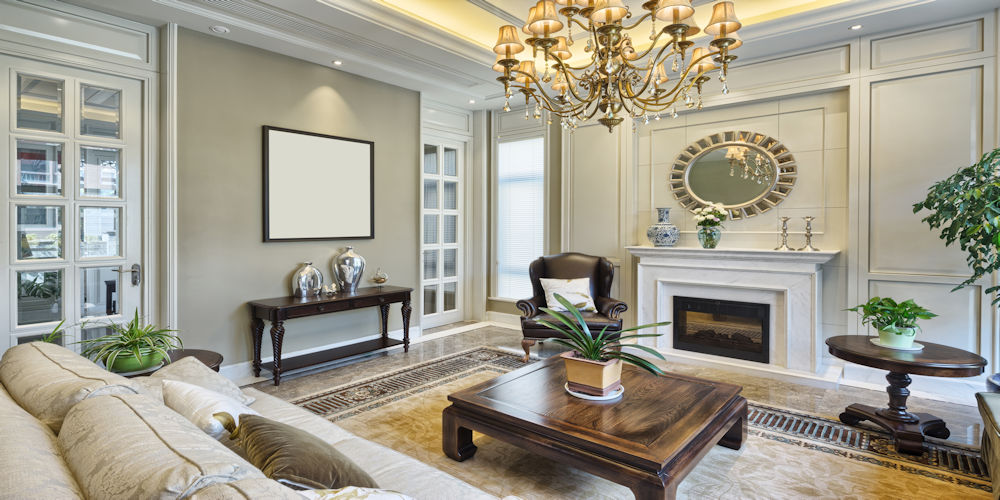
Interior design for the home is about far more than making your rooms look pretty for visitors. It has a direct impact on how you feel, how you live day to day, and even how well your home works for your lifestyle. Thoughtful home interior design can make a small space feel bigger, a busy family home feel calmer, and a tired-looking property feel fresh and inviting. Beyond aesthetics, good design improves comfort, functionality and even your mood, helping you create a living environment that genuinely supports your wellbeing. When you consider the importance of interior design, you start to see your home as an investment in your quality of life rather than just four walls and a roof.
From increasing your property’s value to making everyday tasks easier and more enjoyable, the benefits of good interior design extend far beyond stylish home ideas and pretty cushions. For UK home interiors in particular, where space is often at a premium and character features abound, getting the design right can transform how you use and enjoy every inch of your home.
Understanding Your Space: Assessing Your Home Before You Redesign
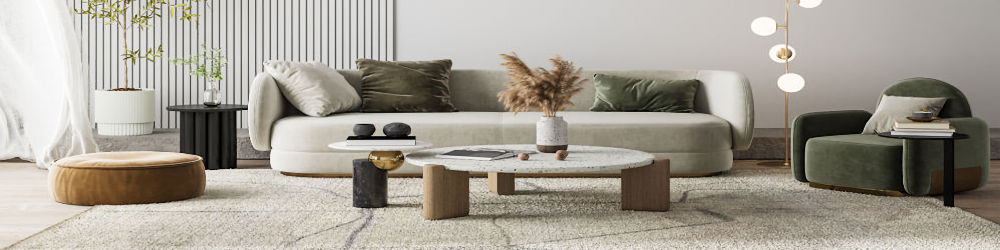
Before you rush out to buy new furniture or paint, it’s crucial to spend time assessing your space properly. Understanding what you’re working with will save you money, stress and disappointment later on. Start by looking carefully at your existing room layout: where are the doors, windows, radiators and plug sockets? How do you naturally move through the space, and where does it feel cramped or underused? Measuring rooms accurately is essential; create simple floor plan ideas on paper or with an online tool so you can experiment with different layouts without lifting a single piece of furniture. When you plan a room, think about how it will be used throughout the day and by whom.
Small home design might require more creative room layout planning, such as built-in storage or multi-purpose furniture, while open-plan living needs careful zoning to avoid feeling chaotic or empty. Storage solutions play a vital role too: before decorating, decluttering is one of the most powerful steps you can take. Removing what you no longer need will reveal the true potential of your rooms and make it easier to design a home that feels calm, practical and tailored to your life.
Finding Your Style: How to Discover a Home Interior Design Look You’ll Actually Love
One of the biggest challenges in home interior design is finding a style that feels authentically “you” rather than copied from a showroom or social media feed. With so many interior design styles to choose from, it helps to learn the basics of a few key looks. Modern home design often features clean lines, simple shapes and a focus on function, while contemporary interiors tend to be more fluid, evolving with current trends and mixing different influences. Minimalist interiors keep only what is truly needed, embracing space and light, whereas Scandinavian style combines simplicity with warmth, natural materials and a soft, airy feel. Traditional British interiors might showcase classic furniture, heritage colours and period details, while an eclectic home style mixes old and new, bold and subtle, in a way that feels collected over time.
To find your design style, start saving home inspiration from magazines, websites and UK home interiors accounts you admire. Create moodboards – either digital or using printed images and fabric samples – to see which colours, textures and shapes you are drawn to consistently. Over time, patterns will emerge, helping you define a look that you will actually love living with, not just admiring briefly online.
Colour Schemes that Work: Using Colour Psychology in Interior Design for the Home
Choosing colour schemes for the home can feel overwhelming, but understanding a little colour psychology makes the process much easier. The paint colours you choose influence how a room feels instantly, affecting energy levels, cosiness and even how big or small a space appears. In many UK homes, a neutral colour palette – think soft whites, warm greys, gentle beiges and stone tones – provides a calm, adaptable backdrop. Neutrals are ideal for creating flow between rooms and work beautifully with Farrow and Ball style colours that have depth and character. Once you have a base, you can add bold accent colours through feature walls, artwork, textiles or furniture to inject personality. Consider how you use each room: calming bedroom colours such as soft blues, greens and muted pinks encourage rest, while cosy living room colours like rich terracottas, inky blues and warm taupes make evenings feel snug. Coordinating colours throughout your home helps it feel cohesive rather than disjointed; use a limited palette repeated in different ways from room to room.
By deliberately using colour psychology, you can create spaces that support the mood you want – energising kitchens, restful bedrooms and welcoming hallways – instead of relying on guesswork.
Furniture and Layout: Creating Functional, Beautiful Rooms in Any Size Home
Furniture layout is one of the most powerful tools in interior design, yet it’s often overlooked. The way you arrange furniture affects how comfortable, social and practical a room feels. Good space planning begins with the main function of the room: is your living room primarily for relaxing, entertaining, watching TV, or all three? In a small living room layout, consider slimline sofas, multifunctional furniture like ottomans with storage, and wall-mounted shelves to free up floor space. Modular sofas allow you to reconfigure seating as your needs change, making them ideal for family homes or open-plan spaces. In dining rooms, ensure there is enough clearance for chairs to move comfortably, and think about how the table aligns with doorways and windows. For bedrooms, focus on bedroom furniture ideas that promote rest and order: bedside tables with storage, wardrobes that maximise vertical space, and under-bed drawers.
An ergonomic home office is equally important, especially if you work remotely – invest in a proper chair, ensure your desk is at the right height, and position screens to reduce eye strain. Always consider traffic flow in rooms so people can move around without squeezing past furniture or feeling blocked in. When layout and furniture are chosen thoughtfully, even the smallest home can feel considered, spacious and beautifully balanced.
Lighting Design: How to Use Light to Transform Every Room
Lighting design has the power to completely change the atmosphere of your home, often more dramatically than a new piece of furniture or a fresh coat of paint. Rather than relying on a single ceiling light, aim for layered lighting in every space. Start with ambient lighting, which provides general illumination – this could be a central pendant light or a series of downlights. Then add task lighting, such as desk lamps, reading lamps or under-cabinet lights in the kitchen, to support specific activities. Accent lighting highlights features you love, like artwork, shelving or architectural details, and can create a truly considered feel. Combining pendant lights, floor lamps and wall lights allows you to adjust the mood from bright and practical to soft and intimate at the flick of a switch. LED lighting is energy-efficient and versatile, offering options from warm to cool tones depending on the room’s purpose. Natural light in the home is equally important: consider window treatments that let in daylight while providing privacy, such as sheer curtains, blinds or shutters.
By thinking about how light interacts with your colour schemes and furniture, you can create atmosphere with light that feels inviting at any time of day, from a sunny breakfast in the kitchen to a relaxed evening in the living room.
Texture, Materials and Fabrics: Adding Warmth, Depth and Luxury to Your Home
Even the most carefully planned colour scheme can fall flat without texture. Home textiles and materials bring warmth, depth and a sense of luxury to your interiors. Soft furnishings such as cushions and throws add comfort and can be updated seasonally to refresh a room without major expense. Rugs and carpets help define areas in open-plan spaces, soften hard flooring and provide acoustic benefits, making rooms feel quieter and more cocooning. Curtains and blinds not only control light and privacy but also add a vertical layer of texture that frames your windows beautifully. Natural materials like wood and stone bring a grounded, timeless quality to interiors, whether through flooring, furniture or decorative objects. Fabrics such as velvet and linen offer contrasting tactile experiences: velvet feels plush and opulent, perfect for statement chairs or cushions, while linen is relaxed and breathable, ideal for curtains or bedding.
Mixing textures – smooth with rough, shiny with matt, soft with structured – is key to creating tactile interiors that feel rich and interesting. Simple cosy home ideas, like layering a wool throw over a linen sofa or pairing a jute rug with a sleek coffee table, can make even a modest space feel thoughtfully designed and wonderfully inviting.
Styling and Accessories: The Finishing Touches that Make a House a Home
Styling is where your personality truly comes to life, turning a nicely decorated space into a home that feels uniquely yours. Home accessories such as vases, ceramics, books and candles add character and can be easily switched around as your tastes evolve. Wall art is a powerful tool for setting the tone of a room, whether you prefer bold contemporary prints, traditional paintings or personal photographs. Mirrors not only enhance light and make rooms feel larger but can become striking focal points when chosen carefully. Shelves styling and coffee table styling are about balancing practicality with visual appeal: mix heights, shapes and materials, and leave some breathing space so surfaces don’t feel cluttered. Indoor plants bring freshness, colour and a sense of life to any room, improving air quality and softening hard lines. Gallery walls are an excellent way to showcase your interests and memories, combining different frames and artworks for a curated look. Above all, personal touches – family photos, travel mementoes, inherited pieces – make your home feel genuinely lived-in rather than staged.
With a few simple styling tips for the home, you can refresh your space regularly without major spending, keeping it feeling inspiring and truly yours.
Designing Key Rooms: Practical Tips for Living Rooms, Bedrooms, Kitchens and Bathrooms
Certain rooms work harder than others, and a bit of focused design can make a big difference to daily life. In living room design, think about seating arrangements that encourage conversation while still allowing for TV viewing if needed; incorporate side tables and lamps to make the space comfortable for reading or relaxing. Bedroom design ideas should prioritise rest and storage: opt for soothing colours, good blackout blinds or curtains, and furniture that keeps clutter out of sight to create a genuinely relaxing bedroom.
Kitchen interior design in UK homes often needs to balance cooking, dining and socialising in relatively compact spaces. Smart kitchen storage, well-planned worktop areas and good lighting are crucial, especially in open-plan or terrace house layouts.
Bathrooms, even small ones, can feel luxurious with the right choices: consider a spa-style bathroom with soft lighting, quality towels, clever storage and perhaps a statement tile or feature wall. For family-friendly interiors, choose durable materials, washable fabrics and layouts that allow children to move safely while still leaving room for adults to relax. Flat and apartment design often demands creative solutions, such as flexible furniture and clever zoning, to make every area work hard without feeling cramped.
Small Homes and Rented Spaces: Interior Design for the Home When You’re Short on Space or Options
Living in a small home or rented space doesn’t mean you have to compromise on style or comfort. Small space design is all about using every inch smartly and choosing items that earn their place. Studio flat ideas might include using open shelving or bookcases as room dividers, opting for a sofa bed, or selecting dining tables that fold away when not in use. When renting and decorating, you may face restrictions, but there are still plenty of temporary décor options: removable wallpaper, peel-and-stick tiles and command hooks allow you to personalise without upsetting your landlord. Landlord-friendly updates such as swapping lampshades, adding rugs, or changing door and cupboard handles can dramatically refresh a space. Space-saving furniture – nesting tables, wall-mounted desks, beds with storage – helps keep clutter at bay, while vertical storage and clever shelving make the most of wall height.
Multi-purpose rooms, such as a living room that doubles as a home office or guest bedroom, can be made to feel seamless with well-chosen furniture and smart zoning through rugs and lighting.
Sustainable and Budget-Friendly Interior Design: Beautiful Homes Without Breaking the Bank
Creating a beautiful home doesn’t have to involve a huge budget or wasteful choices. Budget interior design focuses on making thoughtful, strategic changes that offer maximum impact for minimal cost. An affordable home makeover might start with paint, rearranging furniture and adding a few key accessories rather than a full refurbishment. DIY home décor projects, from painting furniture to creating your own artwork, can personalise your space while saving money. Upcycling furniture gives older pieces a new lease of life, whether it’s sanding and staining a wooden table or reupholstering a chair. Second-hand furniture in the UK is widely available through charity shops, online marketplaces and vintage fairs, offering unique finds with character and history.
Sustainable interiors prioritise eco-friendly materials, such as responsibly sourced wood, natural fibres and low-VOC paints, along with long-lasting rather than disposable items. Charity shop finds and high street homeware can be mixed to create a stylish, cost-effective decorating scheme that feels curated rather than cheap. By being mindful of what you buy, you can achieve a home that looks good, feels good and does good for the planet.
Working with a Professional vs DIY: Choosing the Right Approach for Your Home
When planning changes to your home, it’s worth considering whether to go down the DIY route, hire a professional, or choose a mix of both. An interior designer in the UK can bring expertise in layout, colour, materials and budgeting, often spotting opportunities and potential issues you might miss. Hiring an interior designer or using online interior design services (also known as e-design) can be particularly helpful for complex projects, such as renovations or tricky spaces in older properties. Design consultations, even on a one-off basis, can give you a clear direction and confidence in your decisions. On the other hand, DIY decorating allows you to maintain control, save on fees and progress at your own pace, which can be very satisfying if you enjoy hands-on projects.
Consider when to hire a professional: structural changes, major plumbing or electrical work, and high-cost decisions that are hard to reverse often benefit from expert guidance. Project budgeting and renovation planning are also areas where professional support can prevent expensive mistakes. In many cases, a blended approach works best – using a designer for the initial plan and key decisions, then carrying out simpler tasks yourself.
Step-by-Step Plan: How to Start Transforming Your Home Interior Today
Transforming your home interior feels much more achievable when you follow a clear step-by-step plan. Begin with an honest assessment of your current spaces and create a simple home makeover plan that lists what’s working, what isn’t, and what you’d like to change. Use an interior design checklist to cover essentials like layout, storage, lighting, colours and textiles in each room. Next, prioritise rooms based on impact and daily use – for example, you might start with the living room or bedroom rather than tackling the whole house at once. Setting a budget is crucial; decide how much you can realistically spend and allocate funds across furniture, décor and any tradespeople you may need. Planning purchases in advance helps you avoid impulse buys and ensures your choices work together. Create a rough timeline for decorating so the project feels structured rather than endless, and allow for minor delays.
As you progress, keep an eye on common mistakes such as buying furniture that’s too large, neglecting storage, or forgetting about lighting. With practical design tips and a calm, methodical approach, you can steadily transform your home without feeling overwhelmed.
Make Interior Design for the Home Your Most Rewarding Investment
Investing time and thought into interior design for the home is one of the most rewarding decisions you can make. A well-designed home doesn’t just look stylish in photographs; it actively improves your day-to-day life. From the moment you wake up in a relaxing bedroom to evenings spent unwinding in a comfortable, welcoming living room, your surroundings influence your mood, energy and sense of wellbeing. When you choose to transform your home, you’re investing not only in its financial value but in your own happiness and comfort. With the right interior design tips and home styling advice, creating your dream home becomes an exciting, manageable process rather than a distant ideal.
Whether you start small with a single room or plan a full home makeover, there are countless reasons to redesign your home now rather than waiting for “one day”. Take action on your home makeover today and you’ll quickly see how powerful thoughtful design can be in turning your home into a place you truly love to live in.