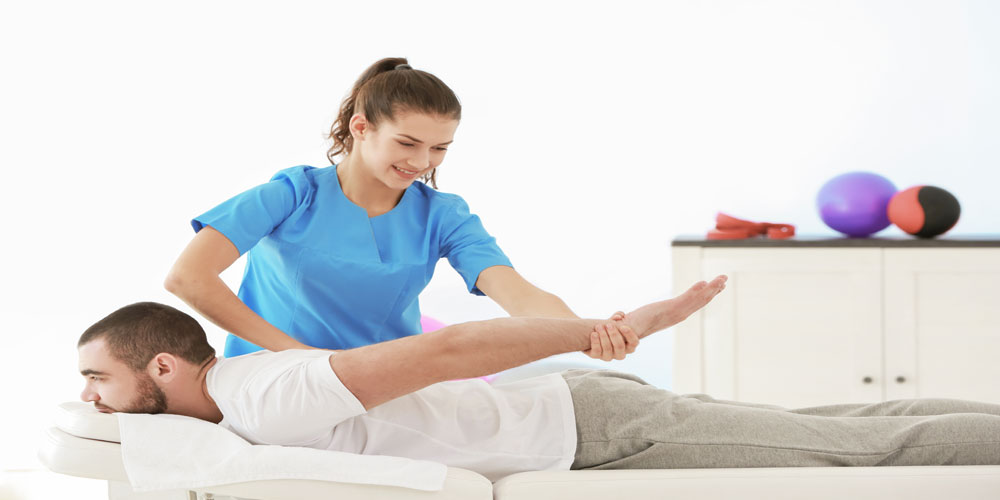
Massage Therapy & Health Benefits
Taking care of yourself isn’t just sensible; it’s important. And many people now recognise massage therapy as helping individuals not only to unwind, but also as a key part of their health and self-care plans. This practice comes from old healing methods and is becoming more popular in today’s health care. Massage therapy provides many benefits for both body and mind. Let’s look at how this proven method can help you feel better overall.
What Is Massage Therapy?
Massage therapy mainly involves manually working on the body’s soft tissues. These include muscles, tendons, and ligaments. This therapy uses different pressures and movements. It may sound easy, but it can have a big impact. Massage helps reduce muscle tension, improves blood flow, and boosts relaxation. These benefits aid in physical recovery and mental clarity.
A good massage therapist adjusts each session for you. This is true whether you want to feel better after an injury, ease long-lasting pain, reduce stress, or take a break from a busy routine.
A Practice Rooted in Ancient Traditions
Massage therapy is not new. It has been around for thousands of years. We can find its early forms in Egyptian, Greek, Indian, and Chinese cultures. These old societies knew that touch could heal and calm people. Massage was often used together with herbal medicine, exercise, and spiritual practices as an important part of staying healthy.
In India, massage plays an important role in Ayurvedic practice. It focuses on balance and energy flow. Traditional Chinese practice uses methods like acupressure and Tui Na. These techniques help with circulation and the flow of energy, known as Qi. These old traditions are the base for the methods we use now.
The Role of Massage in Modern Healthcare
Massage therapy is not just a fancy thing you find at spas. It is now seen as an important part of regular healthcare. It works well with other treatments for many problems, like chronic back pain, sports injuries, and problems like worry and trouble sleeping.
Many hospitals, rehab centres, and wellness clinics now have massage therapy in their care plans. The reason is simple: scientific research supports its benefits.
How Often Should You Get a Massage?
The number of massage sessions you should have depends on your lifestyle, how active you are, and your health goals.
- Professional athletes often gain from having a massage two to three times a week to help their performance and recovery.
- Recreational athletes or those who work out regularly may see that having a session once a week or every other week is enough to stay limber and feel less sore.
- For general wellness, even a monthly massage can help cut down stress and stop tension from growing over time.
The key is doing it regularly. Like many wellness habits, massage therapy works best when you make it a part of your daily routine.
What Happens in the Body During a Massage?
Massage feels great, but it also makes measurable changes in your body.
Improved Circulation
The pressure from a massage can boost blood flow. This brings oxygen and nutrients to your muscles and organs. Better circulation speeds up healing, reduces muscle fatigue, and helps the body eliminate waste products like acid.
Lymphatic Support
Some types of massage, like lymphatic drainage, focus on the lymphatic system. This system helps the body eliminate toxins and supports immune health. Gentle, steady movements improve the flow of lymph. This can help lower swelling and boost detox.
Reduced Muscle Tension
Tight muscles can cause pain and stiffness. This can happen due to poor posture, repetitive movements, or stress. Massage techniques, such as kneading, stretching, and trigger point therapy, help to relax these muscles, improve movement, and ease pain.
Mental and Emotional Benefits
Massage therapy isn’t just good for the body. It’s also great for the mind.
Lower Stress, Anxiety, and Depression
Many studies show that massage therapy can lower cortisol levels, a stress hormone. It also raises endorphins and serotonin, which help boost your mood. These changes in the body can help you sleep better, feel less anxious, and find relief from some signs of mild depression.
The Power of Touch
The human touch is key to feeling emotionally good. Massage therapy gives a safe and caring space. Here, healing touch brings comfort, connection, and relaxation. For people facing feelings of being alone, stress, or issues from trauma like PTSD, massage can bring a strong feeling of calm and safety.
Deep Tissue & Sports Massage
Deep tissue and sports massage services are tailored to alleviate muscle tension, reduce pain, and enhance recovery. Therapists use targeted techniques to penetrate deeper layers of muscle and connective tissue, effectively treating chronic aches, sports injuries and areas of high tension. These massages are ideal for both athletes and individuals dealing with persistent muscular discomfort.
Talk to an experienced therapist, such as those at the SG Injury Specialist Clinic in the UK, about your needs, who can help you find the best approach.
Embrace the Benefits of Massage
Massage therapy is not only a way to relax but also a powerful tool for better health. If you want to ease chronic pain, heal faster, feel better, or feel more at peace, getting regular massages can help your body and mind in important ways.
By learning about and investing in this evolving practice, you can take a strong step toward better health. So why wait? Make massage therapy a part of your wellness path and feel the change for yourself.