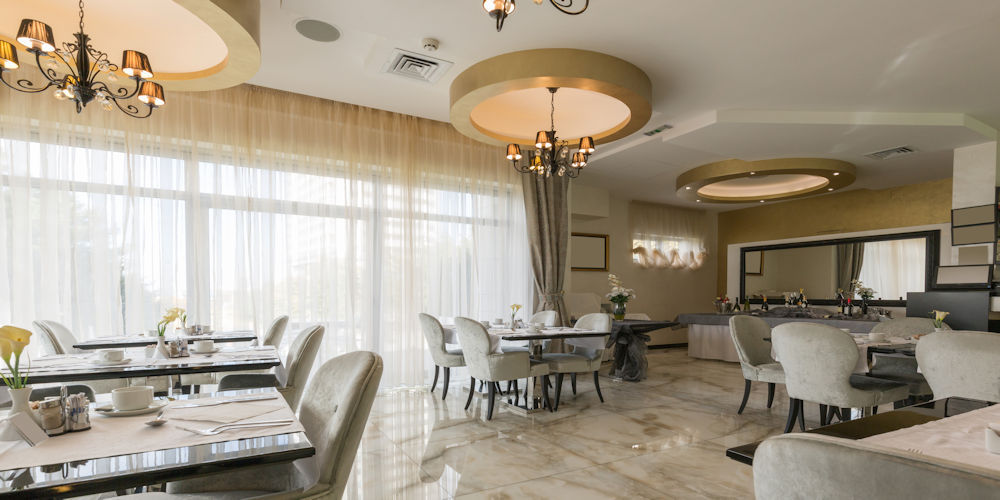
Exploring Great Interior Design
Great Interior Design, by the Numbers is no longer just a catchy idea – it reflects a major shift in how we think about our homes and workplaces. In an era where data informs almost every decision, from fitness to finance, interior design is catching up fast. Data-driven interior design uses hard facts, research, and measurable statistics to guide choices once based mainly on taste or instinct.
Evidence-based design lets you see, in black and white, how your decisions affect comfort, mood, health, productivity, and even your property’s long-term value. When you focus on measurable design results, you move beyond “this looks nice” to “this works – and here’s the proof”.
The Science Behind Great Interior Design: What the Numbers Really Show
Behind every well-designed space lies a wealth of interior design research and data on design psychology. Studies on wellbeing and design show how layout, light, colour, and materials can reduce stress and improve sleep quality, focus, and happiness. Design impact statistics show, for example, how certain room arrangements can increase productivity in home offices or encourage better social interaction in living rooms and kitchens. By combining productivity and interiors, you can make evidence-backed décor choices that genuinely support how you want to live and feel, rather than relying on guesswork or passing trends.
Budgets, Costs and ROI: Proving That Great Interior Design Pays Off
A common worry is that hiring a designer or investing in quality furnishings will be too expensive – yet the numbers often tell a different story. A clear interior design budget helps you see where to spend money and avoid costly mistakes. When you examine the true cost of interior design in the UK alongside long-term savings and returns, you start to see design as an investment rather than a luxury. Well-planned interiors can deliver a strong return on investment by boosting home value, speeding up property sales, and improving rental appeal.
Property staging statistics consistently show that well-presented homes sell faster and often for higher prices. Cost-effective design means choosing finishes and layouts that last, reduce maintenance and energy bills, and support your lifestyle for years to come.
Space Planning by the Numbers: Room Dimensions, Layout Rules and Ratios That Work
Great rooms rarely happen by accident. Successful spaces are built on precise room layout measurements and proven furniture-spacing guidelines that ensure you can move comfortably, open doors and drawers, and seat guests with ease.
Principles such as the golden ratio in interiors help create balance and visual harmony, making rooms feel “right” even if you can’t quite explain why. Understanding optimal room size and how to break it into functional zones allows you to get more from every square metre. For compact homes, small-space design tips and ergonomic measurements ensure workstations, seating, and storage are comfortable and practical, turning cramped areas into efficient, enjoyable spaces.
Colour, Light and Mood: Using Data to Choose Schemes That Truly Work
Colour choices are about much more than personal preference. Research into colour psychology in interior design shows how certain hues can calm, energise or focus the mind. Combine this with lighting levels measured in lux to get a clearer picture of how bright or dim a room should be for reading, relaxing, or working.
Natural light statistics highlight the health and mood benefits of daylight, guiding decisions about window treatments, mirrors and room placement. Mood-boosting colours and evidence-based palettes help you choose schemes that look beautiful while supporting sleep, concentration, and emotional wellbeing. Circadian lighting design goes further, using light timing and tone to align with the body’s natural rhythms, helping you feel more awake by day and ready to unwind at night.
Comfort You Can Measure: Acoustics, Temperature and Materials That Perform
True comfort isn’t just about cushions and soft throws; you can measure it. Acoustic comfort depends on sound-absorbing materials that reduce echo and block noise from neighbours, streets, or other rooms. Thermal comfort data inform decisions about insulation, window treatments, and heating choices, helping keep spaces warm in winter, cool in summer, and energy efficient year-round. Sustainable materials statistics show which products are genuinely eco-friendly, durable, and low-emission, supporting both your health and the planet.
By choosing durable finishes that resist wear and tear and considering interior maintenance costs from the outset, you create spaces that look good and feel comfortable without constant repairs or replacements.
Designing for Modern Lifestyles: How People Actually Use Their Homes
Today’s homes have to work harder than ever, and the way we live is changing rapidly. Open-plan living trends show how families increasingly prefer connected spaces for cooking, dining and relaxing, while still needing options for privacy and quiet. UK working-from-home statistics show a growing need for dedicated or flexible work areas, good lighting, and proper ergonomic setups. Data on multifunctional spaces show living rooms doubling as offices, guest rooms, or play areas, demanding clever zoning and furniture choices.
Family-friendly interiors rely on storage by the numbers, understanding how much space you truly need for toys, hobbies, clothes, and equipment. When you base your layout on behaviour and actual usage patterns, you design a home that supports daily routines rather than fighting against them.
Before-and-After, by the Numbers: Case Studies That Prove the Power of Great Design
Nothing makes the case for good design more compelling than concrete results. Interior design case studies showcase before-and-after transformations supported by home transformation statistics, such as reduced clutter, increased usable space or improved energy efficiency. Client satisfaction data can capture changes in wellbeing, from better sleep and concentration to reduced family tension or improved social life. For landlords and sellers, metrics like increased rental yield and higher resale value provide clear evidence that thoughtful design pays off financially.
Design success metrics might include how quickly a property rents or sells, the number of enquiries received, or even how often a room is used after a redesign, turning abstract ideas into measurable outcomes.
DIY vs Professional Help: What the Data Says About Doing It Yourself
Tackling interiors as a DIY project can be tempting, especially with so much online inspiration available. However, comparing DIY interior design vs hiring a designer through real figures often reveals hidden pitfalls. Renovation mistake statistics point to common issues such as incorrect measurements, poor lighting plans, mismatched furniture scale, and wasted materials. Project overrun data shows how often timelines and budgets spiral without professional guidance or a clear plan.
By contrast, professional interior designers offer more efficient space planning, access to trade-only resources, and a cohesive vision from start to finish. When you weigh design fees vs value, the data often shows that expert input can prevent expensive errors, improve long-term satisfaction, and increase your home’s overall worth.
Tech Tools That Turn Design Into Hard Data
New technology makes it easier than ever to bring a data-driven approach to everyday design decisions. Interior design software lets you experiment with layouts, materials, and colours before committing, revealing potential issues early. A 3D room planner lets you “walk through” a virtual version of your home and test furniture placements from every angle. Virtual reality interiors go even further, immersing you in a life-sized digital model of your future space.
AI interior design tools can suggest layouts, colour schemes and storage solutions based on room dimensions and your preferences. Floor plan apps simplify accurate measuring and drawing, while visualisation and measurement tools help ensure that what you imagine is realistic, functional and buildable.
How to Track Your Own “Great Interior Design, by the Numbers” at Home
You do not need to be a professional to benefit from a more numerical approach. Start with a simple home improvement checklist to identify problem areas, wish lists, and priorities. Measuring design success can be as straightforward as noting how often you use a room, how easy it is to keep tidy or how well you sleep after making changes. Budget tracking helps you see where your money goesmoney goes, stay in control, and compare planned vs actual spending. A basic space-planning template can help you record room dimensions, furniture sizes, and circulation routes to avoid costly mistakes.
Keeping a mood and comfort diary lets you track how lighting, temperature, noise and colours affect your daily life. A DIY design audit, repeated every few months, lets you refine and improve your home over time using your own data.
Let the Numbers Convince You to Invest in Great Interior Design
Look closely, and the message is clear: the benefits of great interior design aren’t just visual; they are measurable and long-lasting. From wellbeing and productivity to energy use and property value, data shows that well-designed spaces consistently outperform poorly planned ones. The reasons to hire an interior designer, or adopt a more data-driven mindset yourself, go far beyond style; they are about making smarter, more informed decisions that truly support your life.
By embracing data-driven design, you can transform your home into a place that looks beautiful, feels comfortable,e and delivers real returns, both emotional and financial. Ultimately, interior design that pays off performs well by the numbers and enriches your everyday experience.