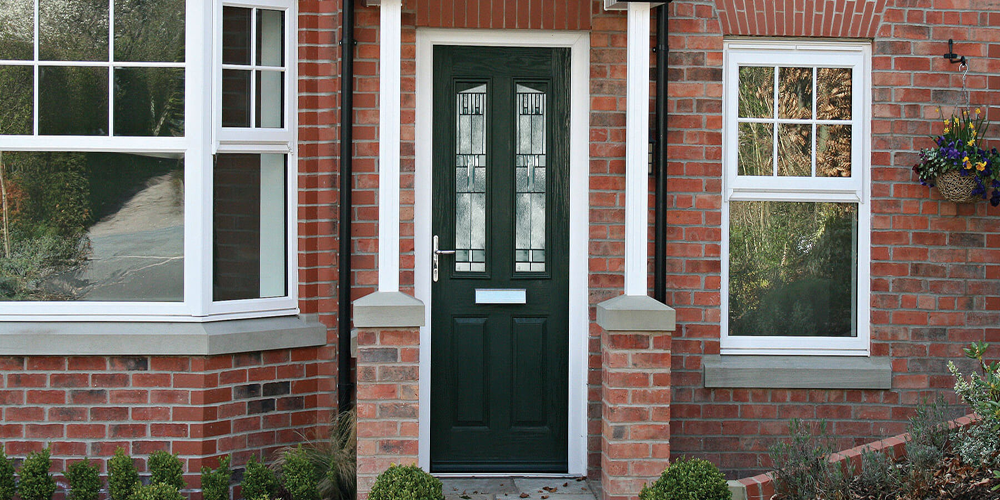
Composite Doors: Style & Security
Composite doors have become one of the most popular choices for UK homeowners who want a front door that looks impressive and performs reliably. Combining multiple materials for strength, insulation and durability, they offer a level of security and kerb appeal that older door types often struggle to match. If you are looking for secure front doors in the UK that also make a stylish design statement, modern composite external doors consistently rank among the best front doors for a wide variety of British homes, from period terraces to new-build properties.
Unlike basic uPVC or dated timber doors, composite doors are specifically engineered to deliver both high security and attractive aesthetics in one product. They are available in a wide range of colours, finishes and designs, from traditional to ultra-modern, allowing you to choose a stylish front door that truly suits your home’s character. At the same time, robust construction and advanced locking systems mean these doors are designed to resist forced entry, making them ideal secure front doors for UK homes in both urban and rural settings. When you want a front door that looks smart, feels solid and reassures you every time it closes behind you, a composite door is a very strong contender.
What Is a Composite Door and How Is It Different from uPVC, Timber and Aluminium?
A composite door is made from a combination of materials, typically including a solid timber or high-density foam core, reinforced frames, and a tough, weather-resistant GRP (glass reinforced plastic) outer skin. This layered construction gives the door excellent strength, insulation and stability. By contrast, uPVC doors are usually hollow or foam-filled plastic, which can be less rigid and, in some cases, easier to damage. Traditional wooden doors can look beautiful, but they are prone to swelling, warping, rotting and requiring regular repainting or varnishing. Aluminium doors, while very strong and slim-framed, can be more expensive and may need thermal breaks to reach similar energy performance.
When comparing composite vs uPVC doors, composite models typically win on appearance, strength and lifespan, although they usually cost a little more upfront. In the composite vs wooden doors debate, composite options tend to offer a similar classic look without the ongoing maintenance headaches. Against aluminium, composite doors often provide a warmer, more solid feel at the point of use, as well as excellent insulation, though aluminium can still be preferable for very large or fully glazed entrances. Overall, in most door materials comparisons for standard UK external doors, composite doors strike a very attractive balance between security, style, and practicality.
The Science of Security: How Composite Doors Protect Your Home
Modern composite doors are engineered with security at their core. High security composite doors are usually fitted with advanced multi-point locking systems that secure the door at several points along the frame, rather than relying on a single latch. This makes it much harder for intruders to force the door open. Many secure composite doors also include anti-snap locks and anti-drill cylinders, specifically designed to resist common burglary techniques.
Look for doors that meet PAS 24 standards or are accredited under the Secured by Design (SBD) initiative, a police-backed scheme that highlights products proven to reduce crime. These doors are rigorously tested for resistance to impact, manual attack and attempts to bypass locks and hinges. The dense core and reinforced structure make the door leaf itself highly impact-resistant, so it is far more difficult for a burglar to kick in or batter their way through compared with a flimsy panel door. By choosing a burglar-resistant front door with recognised security ratings, you are not just ticking a box; you are actively improving your home’s defence against opportunistic intruders.
Style Without Compromise: Design Options for Every Type of Property
One of the greatest strengths of composite doors is the breadth of design options available. Whether you live in a period terrace, a Victorian bay-fronted house, a 1930s semi or a sleek new-build, there are composite door designs to complement your property. Traditional composite doors can replicate the look of classic timber, with authentic grain-effect finishes, panel details and heritage colours, ideal for older homes or conservation-style streets. Contemporary composite doors, on the other hand, lean towards clean lines, modern glazing and bold colours, creating a striking entrance for more modern properties.
For cottages or rural homes, cottage style doors with stable door options, bead detailing or rustic colours can provide charm without sacrificing security. Glazed composite doors allow natural light into dark hallways, with decorative glass, frosted panels or patterned glazing giving privacy as well as character. You can also choose coloured front doors well beyond basic white: from sophisticated greys and deep blues to vibrant reds and greens. Bespoke door designs, along with matching sidelights and toplights, let you tailor the entrance to your exact preferences, ensuring your front door truly reflects your personal style and enhances the overall look of your home.
Thermal Efficiency and Noise Reduction: Comfort as Well as Security
Composite doors are not only about looking good and keeping burglars out; they play a major role in improving the comfort of your home. Thanks to their insulated cores and tight-fitting weather seals, energy efficient composite doors significantly reduce heat loss compared to older, poorly fitted timber or single-skin uPVC doors. A well-specified composite front door can achieve an A-rated energy efficiency performance, helping to keep your hallway warmer in winter and cooler in summer.
The superior composite door insulation, combined with proper draught-proofing, means fewer cold draughts and a more consistent indoor temperature. Over time, this can contribute to lower energy bills, particularly when combined with other improvements such as efficient windows and loft insulation. Many composite doors also provide good levels of acoustic insulation, helping to create a more soundproof front door. This is particularly beneficial if you live on a busy road, near a school, or in a built-up area, as the door can noticeably reduce traffic noise and general outdoor sounds, making your home feel quieter and more peaceful.
Durability and Low Maintenance: Why Composite Doors Are Built to Last
One of the key advantages of composite doors is their long-term durability. Designed to withstand the British climate, these long-lasting front doors are highly resistant to warping, rotting, and swelling, issues that often affect traditional timber doors over time. The outer GRP skin is tough and weatherproof, protecting the door from rain, wind, salt and UV exposure. This makes composite doors particularly suitable as weatherproof doors in the UK, including for coastal properties where salty air can be especially harsh on building materials.
The colour on a composite door is usually baked into or bonded with the GRP skin, making it fade resistant and helping to keep the door looking fresh for many years with minimal effort. Unlike wood, there is no need for regular sanding, painting or varnishing. Low maintenance composite doors generally only require a quick clean with soapy water and an occasional check of the hardware. The robust construction, multi-layered core and reinforced frames all contribute to a durable external door that remains secure and attractive well into the future, offering excellent value over its lifespan.
Choosing the Right Composite Door for Your Home’s Kerb Appeal
Selecting the best composite door for your home involves more than choosing a colour you like. It is worth considering your property’s age, architecture and existing features to ensure your new door enhances kerb appeal. For a Victorian house, for example, you might opt for a traditionally styled composite door with decorative glass, period-style hardware and a heritage colour such as deep green, navy or black. This respects the building’s character while delivering modern performance.
Think about how your front door will match your windows and other external elements. Coordinating the door colour with window frames, garage doors or even guttering can create a cohesive, polished look. If you are planning an entrance makeover, you might also update door handles, letterplates, knockers and house numbers at the same time. Stylish, good-quality hardware can elevate the overall finish and make the entrance more welcoming. With so many front door ideas available across UK suppliers, taking time to review samples, brochures and real-life photos can help you choose a composite door that not only secures your home but also provides a noticeable kerb appeal upgrade.
Security Certifications, Guarantees and What to Look For
When comparing composite doors, it is important to look beyond appearance and check the security specifications and guarantees. Pay attention to door security ratings such as PAS 24 and look for products that carry the Secured by Design accreditation, which indicates the door has passed stringent, police-recognised testing. British Standard locks, such as those conforming to BS 3621 or TS 007, are another strong indicator of quality and security.
Ask about manufacturer guarantees and composite door warranties, as reputable brands will stand behind their products for many years against defects, warping or discolouration. Insurance approved locks are worth prioritising, since some home insurance policies specify minimum standards for front door locks. Ensuring your new door meets or exceeds these front door insurance requirements not only gives peace of mind, but can sometimes help avoid issues if you ever need to make a claim. In short, checking these details up front ensures you are truly investing in security, not just a good-looking door.
Professional Installation vs DIY: Getting Security and Performance Right
Even the best composite door will underperform if it is not fitted correctly. Professional installation by a competent, ideally FENSA-registered installer can make a significant difference to security, weather-tightness and long-term reliability. A skilled fitter will correctly measure, square and secure the frame, adjust the hinges and locks, and ensure the door closes smoothly with an even seal all around. This helps prevent draughts, misaligned door issues and security gaps that could otherwise undermine the benefits of your new door.
While DIY front door replacement might seem appealing as a way to cut costs, it can be challenging without the right tools and experience. A poorly installed door may be difficult to lock, catch on the frame, or leave gaps that let in water and cold air. In the worst case, an incorrectly fitted door can compromise security and even invalidate some guarantees. When you factor in potential call-out fees to fix problems later, the apparent savings can quickly disappear. For most homeowners, choosing professional door fitting in the UK is the most reliable way to ensure you get the full performance and protection you have paid for.
Cost, Value and Return on Investment of Composite Doors
Composite door prices in the UK vary depending on size, design, glazing options, security features and brand. While they usually sit above basic uPVC doors in terms of initial cost, they are generally more affordable than high-end timber or aluminium alternatives, particularly when you consider ongoing maintenance. When assessing the cost of a new front door, it helps to look at the overall value for money rather than just the cheapest quote.
A good-quality composite door can enhance your property’s appearance, improve security, and contribute to thermal efficiency, all of which can positively influence your home’s value. Potential buyers often notice a smart, solid front door as part of their first impression, so upgrading can contribute to your broader home improvement return on investment. There are options to suit different budgets, from simpler designs to premium composite doors with bespoke features and top-level security. Some homeowners also explore financing home improvements through staged payments or credit, spreading the cost while enjoying the benefits immediately. Over its lifespan, a composite door can prove a cost-effective upgrade that pays you back in comfort, confidence and kerb appeal.
How to Maintain Your Composite Door for Long-Lasting Security and Style
Looking after a composite door is relatively straightforward, but a little routine care will help it perform and look its best for many years. Regular composite door cleaning with mild soapy water and a soft cloth is usually enough to remove dirt, fingerprints and traffic grime. Avoid harsh abrasives or strong chemicals that could damage the GRP surface or hardware. Periodically check the hinges, handles and locks, and lightly lubricate moving parts if they start to feel stiff.
Simple door maintenance tips include tightening any loose screws, ensuring weather seals are intact, and checking that the door closes smoothly without catching. Seasonal door checks in spring and autumn can be a good habit, allowing you to spot and fix small issues before they become bigger problems. If you ever experience stiff locks or difficulty turning the key, addressing it promptly can prevent wear and reduce the risk of lock failure. With this modest level of care, you can extend your composite door’s lifespan, preserving both its security performance and its stylish appearance.
Secure Your Home and Elevate Your Kerb Appeal with Composite Doors
Upgrading to a composite door is a smart way to improve your home’s security, comfort and appearance in one project. By choosing a well-specified, professionally installed composite door, you gain the reassurance of modern security features, better insulation and a more attractive entrance that lifts your property’s kerb appeal. Whether you are replacing a worn-out existing door or planning a broader home makeover, a stylish composite front door can be a key focal point.
To move forward, you can request composite door quotes from reputable local or national suppliers, compare designs and specifications, and, if helpful, book a home survey to get tailored advice on styles, colours and hardware. By taking the time to choose the best composite door for your particular home, you will end up with a secure and stylish entrance that you can rely on and be proud of for many years to come.