Why Building Reclamation Contractors Matter
In an era of rising material costs, tightening carbon targets and increasing pressure to reduce waste, building reclamation contractors have shifted from being a “nice-to-have” to an essential part of modern construction and refurbishment. Rather than sending perfectly usable products and components straight to landfill or for crushing, these specialists salvage reusable materials and channel them back into the supply chain. This approach directly supports building material reuse, cuts construction waste at source and underpins a more sustainable construction industry.
By focusing on recovery rather than disposal, building reclamation contractors help turn what was once seen purely as demolition waste into a valuable resource. They play a vital role in the emerging circular economy in construction, where materials are kept in use for as long as possible, and buildings are viewed as material banks rather than disposable assets. For clients, designers and contractors looking to reduce environmental impact without sacrificing quality or performance, working with reputable reclamation specialists is now one of the most effective levers available.
What Do Building Reclamation Contractors Actually Do?
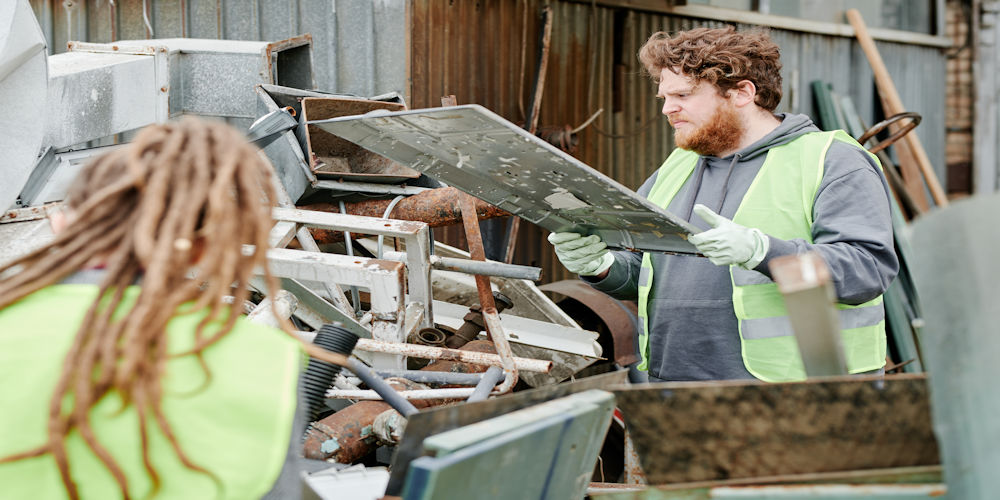
Building reclamation contractors provide a specialised set of building reclamation services aimed at carefully extracting, processing and reintroducing materials back into use. Instead of simply knocking a structure down, they plan and carry out strip-out and salvage operations that prioritise reuse. Soft strip contractors, often working as part of a wider team, remove non-structural elements such as doors, ceilings, floor finishes, services and fittings so that these can be assessed and reclaimed where suitable.
On more extensive projects, demolition and reclamation are coordinated so that structural components – such as timbers, steelwork or brickwork – can also be removed with reuse in mind. This moves the activity away from traditional “smash and clear” demolition and towards a more thoughtful deconstruction vs demolition mindset. The goal is construction material recovery: identifying what can be safely reused, removing it in a controlled manner, and ensuring it is stored, graded and prepared for its next life in another project.
The Environmental Case for Salvaging Reusable Materials
The environmental benefits of salvaging reusable materials are considerable. First and foremost, reclaiming products directly reduces construction waste that would otherwise be sent to landfill or low-value recycling. Every tonne diverted from the skip is a direct win in terms of landfill diversion, reduced transport and lower processing impacts. This supports genuinely sustainable building practices and helps projects align with eco-friendly construction and green procurement policies.
Crucially, reusing materials also delivers meaningful carbon savings from reuse. When you choose an existing beam, brick or door instead of buying new, you avoid the embodied carbon associated with extracting raw materials, manufacturing, processing and transporting a new product. As operational energy use falls in modern, efficient buildings, embodied carbon increasingly dominates whole-life environmental assessments. Green building materials that have already had a previous life therefore become a powerful tool for climate-conscious design teams. Incorporating reclaimed products is a practical, immediate step towards eco-friendly construction and lower-carbon developments.
Types of Materials Commonly Reclaimed from Buildings
A surprisingly wide range of components can be reclaimed from buildings when the process is planned correctly. Reclaimed timber is one of the most sought-after products, from solid floorboards and joists to structural beams and decorative mouldings. This material not only reduces the need for newly harvested wood, but often offers superior character and durability compared with many modern alternatives.
Reclaimed bricks are another staple, valued for their patina, established performance and compatibility with existing masonry in extension or repair work. Salvaged steel sections, where properly assessed and certified, can be reused structurally, turning what might otherwise become scrap into a high-value product. Architectural salvage – such as fireplaces, staircases, ironmongery, shopfronts, columns and decorative stonework – brings unique character to new schemes. Reclaimed doors and windows, reused flooring of various types, heritage building materials and reclaimed roofing slates all have strong markets. Together, they provide designers with an extensive palette of reclaimed options for both structural and aesthetic applications.
How the Reclamation Process Works on a Typical Project
On a well-managed scheme, the reclamation process starts long before any physical work begins. A pre-demolition audit is undertaken to identify what is present in the building, its condition and the potential for reuse or high-quality recycling. This leads to a detailed materials inventory, listing items such as timber sections, bricks, slates, fittings and finishes, along with notes on quantities, likely value and any constraints.
Once the plan is in place, contractors move to selective dismantling rather than indiscriminate demolition. Elements destined for reuse are removed carefully and in the correct sequence to prevent damage. On-site sorting follows, with materials separated into different streams for reuse, refurbishment or recycling. Cleaning and grading materials is another crucial step, ensuring that reclaimed products are free from contaminants, appropriately categorised and ready for specification. Storage and logistics are then managed so that items are protected from the weather, correctly labelled and transported to reclamation yards or directly to new projects. Throughout, quality control for reused materials is maintained to ensure that anything sold or reinstalled meets agreed performance, safety and aesthetic standards.
Cost Savings and Financial Benefits of Using Reclaimed Materials
Beyond the environmental advantages, using reclaimed products can deliver tangible cost savings and financial benefits. Because reclaimed items often come at lower material costs than comparable new products, they can help projects achieve budget targets without sacrificing quality. When design teams think creatively, value engineering with reclaimed products can replace more expensive new finishes or components, freeing up budget elsewhere in the scheme.
There is also potential income from the resale of salvaged materials, offsetting strip-out and demolition costs. For building owners and main contractors, this can transform waste disposal into a revenue stream. Over the longer term, lifecycle cost savings may arise where reclaimed materials prove more durable or easier to maintain than some modern equivalents. For clients seeking budget-friendly sustainable design, a cost comparison new vs reclaimed frequently shows that, when logistics and programme are properly managed, reuse can be financially competitive while still meeting sustainability goals and corporate ESG commitments.
Design Opportunities: Giving Character and History to New Builds
Working with reclaimed materials is not just about responsibility and resource efficiency; it also opens up rich design opportunities. When architects and interior designers actively design with reclaimed materials, they can create spaces with genuine architectural character and a sense of history that is difficult to replicate using entirely new products. Weathered timbers, aged bricks and patinated metals contribute to rustic interiors, industrial style schemes or refined heritage-inspired spaces.
Retained and reclaimed elements can introduce distinctive heritage features into contemporary designs – for instance, using old factory doors in a modern office fit-out, or integrating reclaimed stone steps into a new residential entrance. Upcycling in architecture, such as turning old joists into bespoke reclaimed fittings, furniture or feature walls, allows designers to tell a material story that resonates with clients and occupants. Far from being a compromise, thoughtful use of salvaged components can become the defining feature of a project.
Navigating UK Regulations, Standards and Warranties
Using reclaimed materials in the UK must be done in line with UK building regulations and relevant standards. Reclamation contractors and design teams need to ensure that any reused components are suitable for their intended application and meet applicable performance requirements. Using reclaimed materials safely involves checking aspects such as structural capacity, fire performance and any potential contaminants or hazardous finishes.
For critical items, structural certification may be necessary to demonstrate that reclaimed steel, timber or other load-bearing elements can perform as required. Warranties for reused products, whether offered by reclamation suppliers or backed by insurers, can give clients additional confidence. Planning permission considerations, particularly in conservation areas or on prominent sites, may encourage or even require the use of matching or sympathetic materials, making reclamation particularly attractive. Heritage and conservation rules often favour like-for-like repair and the retention of original fabric, meaning that reclaimed materials, sourced and installed correctly, are a natural fit for listed buildings and historic environments.
How to Choose the Right Building Reclamation Contractor
Selecting reclamation specialists is an important decision that can significantly influence both project outcomes and risk. Look for contractor accreditation, memberships or affiliations that demonstrate commitment to quality, safety and responsible practice. Experience with listed buildings or complex refurbishments is particularly valuable, as these projects demand a sensitive approach to deconstruction and material handling.
Health and safety competence is non-negotiable; careful dismantling and material recovery must be undertaken within robust safety frameworks. Adequate insurance and liability cover are essential, providing reassurance that the contractor can stand behind their work. When shortlisting firms, ask for references and case studies that show how they have delivered building reclamation on similar schemes. Evidence of repeat work with reputable clients, and examples of successful material recovery, are strong indicators that you are choosing the right partner.
Working with Reclamation Contractors: Practical Tips for Clients and Designers
To get the best results, clients and design teams should engage reclamation specialists at an early stage. Early-stage collaboration makes it easier to identify which elements of an existing building can realistically be salvaged, and how they might be incorporated into the new design. Specifying reclaimed materials clearly in tender documents and design information helps ensure that everyone understands the quality, quantities and performance expected.
Coordination with demolition teams is also critical, particularly where multiple contractors are involved on a busy site. Programme and lead times may need adjustment to allow for careful dismantling, inspection and storage. Proper storage and handling arrangements, whether on or off site, help preserve the quality of salvaged materials until they are ready for reuse. It is also wise to consider risk management – for example, having fallback options if certain items prove unsuitable – and to manage client expectations by explaining both the opportunities and the limitations of working with existing materials.
Where to Source Reclaimed Materials in the UK
Once you begin looking, the UK offers a rich ecosystem of suppliers and platforms for reclaimed components. Reclamation yards across the UK stock everything from structural timbers and bricks to sanitaryware, ironmongery and garden features. Architectural salvage yards specialise in distinctive and often rare items, ideal for feature pieces or heritage projects.
Online reclaimed materials marketplaces have grown in recent years, connecting buyers with surplus products from demolition, refurbishment and even over-ordered new stock. Local salvage suppliers and small independent yards can be valuable for securing regionally appropriate materials, such as bricks or stone that match local vernacular. Regional reuse networks and community reuse projects also play a role, especially for smaller-scale works or where social value outcomes are important. Together, these channels give designers and builders various routes to source quality reclaimed products for UK projects.
Case Studies: Successful Projects that Salvaged Reusable Materials
Real-world projects demonstrate that salvaging materials is both practical and beneficial. An office retrofit using reclaimed materials might, for example, reuse existing raised access flooring, internal doors and lighting tracks, significantly reducing waste while giving the refurbished space a distinctive identity. In a residential renovation with salvage, homeowners may retain original floorboards, staircases and fireplaces, supplementing them with reclaimed bricks or tiles to create a coherent, characterful scheme.
Commercial fit-out case studies show how shopfitting and hospitality interiors can combine reclaimed counters, shelving and feature walls to achieve a unique aesthetic at competitive cost. Listed building restoration often relies on reclaimed materials to ensure authenticity, using matching slates, stone or joinery to meet conservation requirements. At the cutting edge, net zero carbon projects and circular construction examples showcase how comprehensive material recovery – from structural elements to finishes – can dramatically reduce embodied carbon and demonstrate true circular design in action.
Overcoming Common Myths and Objections about Reclaimed Materials
Despite the clear advantages, a number of myths and objections still surround reclaimed products. Quality concerns are frequently raised, yet many reclaimed items come from buildings that have already performed well for decades, if not centuries. With proper inspection, grading and, where necessary, refurbishment, they can meet or exceed performance expectations. Consistency of supply is another commonly cited worry; while reclaimed stock does vary, experienced suppliers and careful early planning can secure sufficient quantities for most projects.
Comparisons of modern vs old performance often reveal that traditional materials hold up extremely well, particularly when chosen for appropriate applications. Cost misconceptions persist, but once overall lifecycle costs and potential resale values are considered, reclaimed options are often competitive. Safety myths, such as assumptions about hidden defects or contamination, are addressed through proper testing, certification and adherence to regulations. In terms of design, reclaimed materials actually offer impressive aesthetic flexibility: they can be integrated into everything from contemporary minimalist spaces to richly detailed heritage schemes, rather than being confined to a single “rustic” look.
Salvage Reusable Materials and Future‑Proof Your Projects
Incorporating reclamation into your projects delivers multiple benefits: reduced waste, lower embodied carbon, distinctive design and, often, cost advantages. The wider benefits of building reclamation extend beyond individual schemes, contributing to a more resilient construction sector that makes better use of finite resources. To start using reclaimed materials effectively, consider engaging specialists early in the planning process, so they can help identify opportunities and advise on practicalities.
Embedding reuse in your sustainable construction strategy is a clear route to reducing your project carbon footprint while aligning with corporate sustainability commitments and forthcoming regulatory pressures. By viewing existing buildings as valuable resource banks and working with skilled building reclamation contractors, you can turn what was once treated as waste into genuine value. In doing so, you not only deliver responsible, high-quality projects today, but also help to future‑proof your portfolio in a world where resource efficiency and circular thinking are becoming the new normal.